
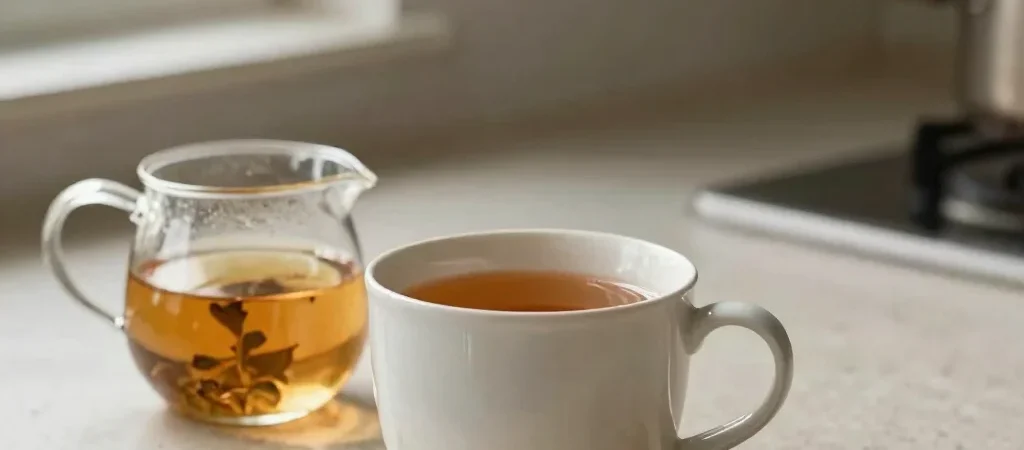
A cup of peppermint or chamomile tea may mark the end of a long day without asking much of you: hot water, a mug, and a few quiet minutes. That comfort is real, but it is not the same as evidence that a tea treats a health condition. A little context helps keep a pleasant routine in its proper place.
Know what is in the cup
“Herbal tea” can mean a single dried plant or a blend with several ingredients, and the name on the front may not tell the whole story. Read the ingredient list, especially if you have allergies or are avoiding caffeine. Tea blends and products marketed as supplements may also differ in strength and preparation.
Separate comfort from treatment
Warm liquid can feel soothing, and choosing a caffeine-free drink in the evening may suit someone who is sensitive to caffeine. Those ordinary comforts don’t establish that a particular herb will improve sleep, digestion, or another health concern. Be wary of packaging or online claims that promise a cure or a guaranteed result.
Check before making it routine
Herbs can interact with medicines or matter during pregnancy, so “natural” doesn’t automatically mean risk-free. If you take medication, are pregnant, or have a health condition, ask a qualified healthcare professional about a specific tea or supplement rather than relying on a broad claim. Keep the package nearby so you can share the full ingredient list.
If you simply enjoy the taste, choose a tea you like and treat it as one small part of your routine. If you’re hoping it will address a symptom, start by getting clear information about that symptom instead. A comforting mug can be worthwhile without having to promise more.